Matchmaking for Vibe Coders: Why Builders Need Better Rooms, Not More Tools

Everyone is suddenly a vibe coder.
You spin up an MVP on bubble.io, glue things together with lovable, and by Sunday night you’ve got something that exists.
Not a pitch deck. Not a Figma fantasy.
A real thing.
That part feels empowering.
But then Monday hits.
And suddenly you’re not just a builder, you’re also supposed to be:
- A strategist
- A growth marketer
- A salesperson
- A data analyst
- A decision-maker
- A therapist for yourself
You’re good at building.
You’re not supposed to also be good at analyzing 99 different tabs of analytics dashboards and interpreting churn patterns and deciding whether to double down or pivot.
But there’s no one else to do it.
It’s just you.
This is the part no one romanticizes about vibe coding.
The Real Struggle Isn’t Code — It’s Context
Founders don’t usually fail because they can’t ship.
They stall because they’re stuck in questions like:
- Is this a bad idea, or am I just early?
- Do I need a cofounder — or just clarity?
- Is the product wrong, or is my outreach weak?
- Should I raise, bootstrap, pivot, or wait?
- Why is no one converting — and who do I even ask?
These are not technical problems.
They’re context problems.
And most vibe coders are solving them in isolation.
Slack groups are noisy.
Twitter/X is performative.
Discord servers feel like abandoned gyms.
And “advice” is either too generic or too loud.
What founders actually need is not more information —
they need the right people, at the right moment, in the right room.
Which brings us to something surprisingly relevant.
Dating Apps Accidentally Taught Us What Not To Do
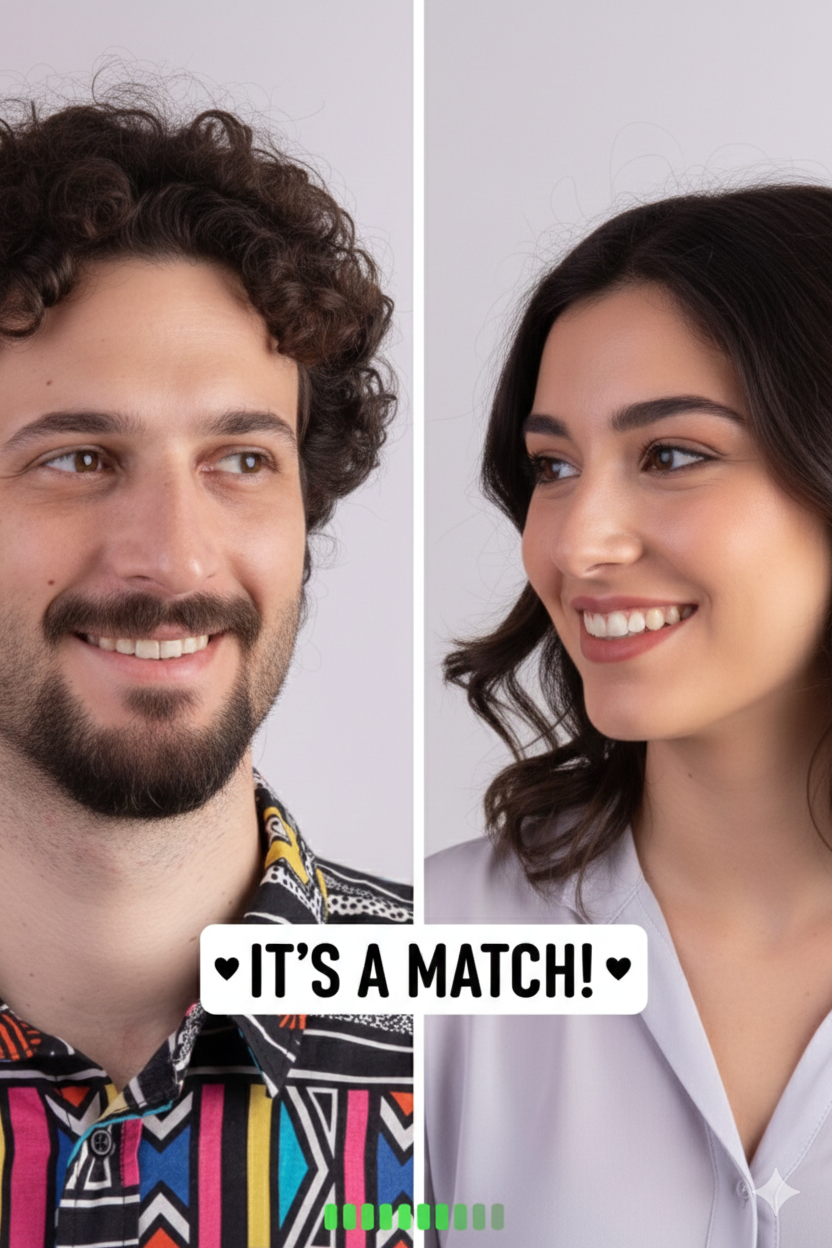
Dating apps promised connection.
What they delivered instead:
- Endless swiping
- Shallow signals
- Dopamine loops
- Choice paralysis
- And the illusion of abundance
Sound familiar?
Founders are experiencing the same thing.
Dating apps don’t fail because people don’t want connection.
They fail because matching is optimized for engagement, not outcomes.
You’re shown:
- Who looks good on paper
- Who performs well visually
- Who fits generic filters
Not who actually fits you.
Now look at founder ecosystems.
We do the same thing:
- Generic “networking” events
- Open Slack communities with thousands of strangers
- Random intro calls with no shared intent
- Pitch nights where no one is listening
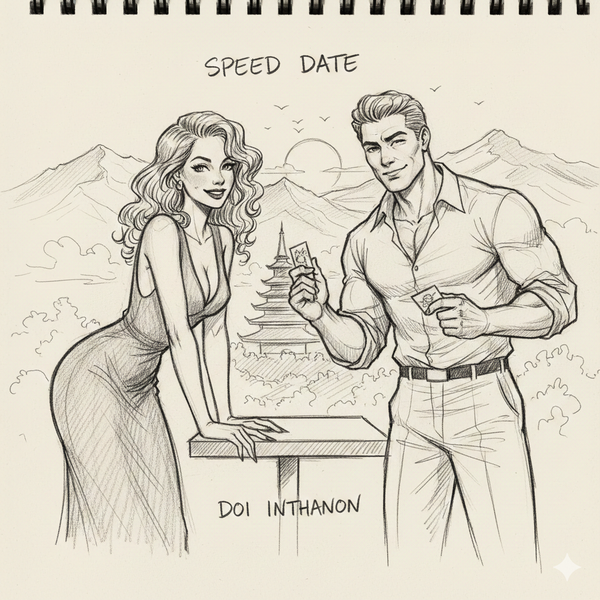
It’s the startup version of swiping.
A lot of motion.
Very little movement.
Why Founder Matchmaking Isn’t Dating — And Shouldn’t Be Treated Like It
Founders don’t need dates.
They need alignment.
Alignment in:
- Stage
- Risk tolerance
- Decision-making style
- Energy levels
- Values
- Speed
- Blind spots
Yet most founder “matching” happens accidentally:
- You meet someone at an event
- You vibe for 10 minutes
- You grab coffee
- Then… nothing
Because vibes alone don’t build companies.
The problem with both dating apps and founder networking is the same:
Too many people. Too little intent. Zero curation.
No one is filtering for:
- Are you actually building right now?
- Have you shipped an MVP or just talked about one?
- Are you stuck at growth, product, or positioning?
- Do you want feedback, accountability, capital, or collaboration?
Everything is flattened into “connect”.
And “connect” is meaningless without structure.
Vibe Coding Solves Speed — Not Direction
Vibe coding lowered the barrier to entry.
That’s a good thing.
But it also created a new kind of founder problem:
- Too many products
- Too many half-launches
- Too many solo builders guessing their way forward
Shipping is no longer the hard part.
Deciding what deserves momentum is.
And momentum doesn’t come from tools.
It comes from:
- Pattern recognition
- External perspective
- Honest mirrors
- Hard questions asked early
The irony?
The more powerful solo-building becomes,
the more dangerous isolation gets.
The Hidden Cost of Building Alone
When you’re building solo, three things quietly erode you:
1. Decision Fatigue
Every choice feels heavy because there’s no shared brain.
You overthink pivots. You delay launches. You postpone outreach.
2. False Negatives
You kill ideas too early because no one helps you see what’s working.
3. False Positives
You keep bad ideas alive because no one challenges your assumptions.
This isn’t about confidence.
It’s about signal.
And good signal doesn’t come from crowds.
It comes from carefully designed proximity.
Matchmaking, But Not the Way You Think
When people hear “matchmaking,” they think romance.
But matchmaking is really about reducing randomness.
Dating apps increased randomness while pretending to personalize it.
Founder ecosystems did the same.
Real matchmaking:
- Starts with why you’re here
- Filters by where you’re stuck
- Selects by how you think
- Matches by what you actually need right now
Not forever.
Not “let’s be cofounders.”
Not “let’s build together.”
Sometimes the right match is:
- A 30-minute conversation that unlocks a stuck decision
- A mirror that shows you your blind spot
- Someone two steps ahead, not ten years ahead
- Someone who’s building in parallel, not competing
This kind of matching can’t be done at scale with swipes or open rooms.
It requires:
- Intent
- Selection
- Timing
- And yes — algorithms that care about outcomes, not engagement
Why the Future Isn’t More Platforms — It’s Better Filters
We don’t need:
- Another Slack
- Another Discord
- Another feed
- Another “community”
We need fewer people, better matched.
The same way dating is slowly moving away from endless swiping toward:
- Curated introductions
- Intent-based matching
- Smaller, private spaces
Founders are heading there too — whether consciously or not.
Because deep down, most builders aren’t asking for advice.
They’re asking:
“Am I crazy for thinking this could work?”
“What am I missing?”
“Who actually gets what I’m trying to do?”
Vibe Coders Don’t Need Motivation — They Need Infrastructure
You already have:
- Energy
- Curiosity
- The ability to build
What you’re missing isn’t hustle.
It’s invisible infrastructure:
- Feedback loops
- Decision support
- Human checkpoints
- Intelligent collisions
The kind that:
- Doesn’t waste your time
- Doesn’t force you to perform
- Doesn’t turn into noise
The kind that feels like:
“Oh. Someone finally understands what I’m dealing with.”
Vibe Coding Is the Beginning — Not the System
Let’s be clear.
A clean startup requires:
- Product
- Distribution
- Growth
- Retention
- Profitability
- Emotional stamina
- And decision clarity
Vibe coding helps you start.
Everything after that depends on:
- Who you talk to
- When you talk to them
- And how well the room is designed
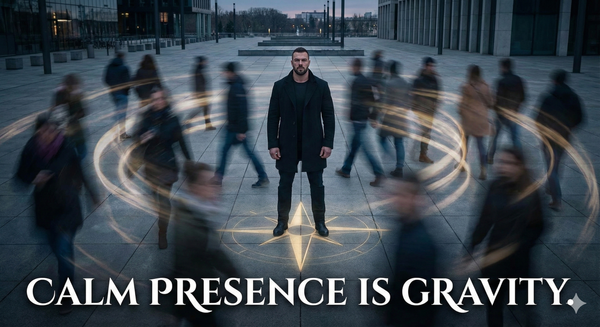
The future of building isn’t solo.
And it isn’t crowds either.
It’s precision.
And the founders who realize this early
will stop swiping — and start moving.